
The Power of Belief
Watch the video
The Parable of the Professor’s Mice: The Power of Belief

<br>
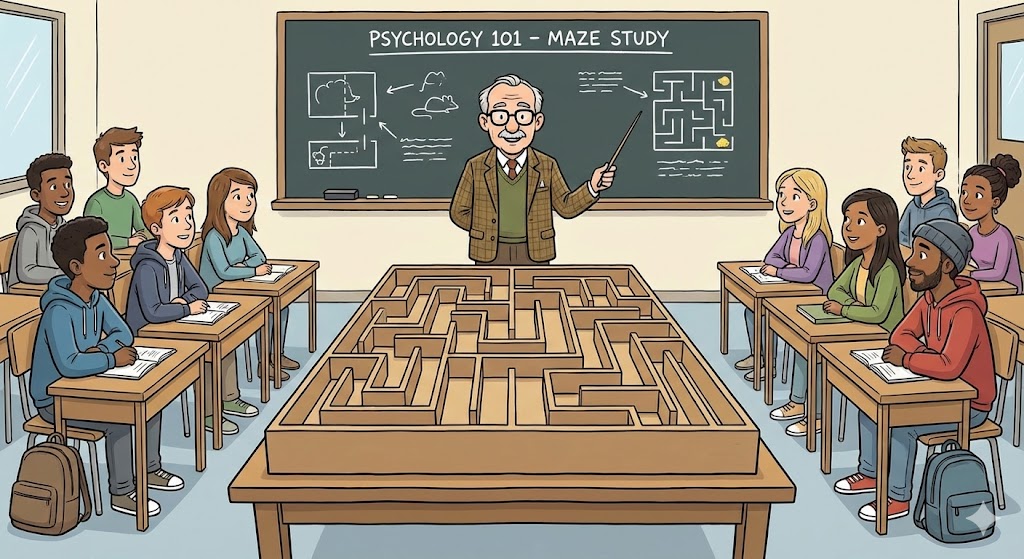
On the first day of class, a professor gathers his freshmen and divides them into two groups. He unveils a large maze and distributes mice to each team. To Group A, he declares: “These mice are championship bred—athletic, intelligent, and well-practiced. They are destined to win.” To Group B, he announces: “These mice are incompetent, slow, and the lowest of the low. Expect little from them.”
The students are given thirty minutes to train their mice. From his desk, the professor listens. Group A responds with encouragement, cheering their mice on, speaking words of confidence and support. Group B, however, mocks their mice, ridiculing them, laughing at their supposed inadequacy.
When the race begins, Group A’s mice outperform Group B’s in every trial. The professor then calls the students forward and delivers the revelation: “This morning, I purchased every one of these mice from the same pet store. There are no champions here, nor incompetent. The only difference was how you treated them. Group A believed, Group B mocked. The mice responded to your belief. Humans do the same. Belief is not abstract—it is a tangible force that shapes outcomes.”
Application to Addiction Recovery and Personal Development
This parable illustrates a profound truth: belief is a catalyst for transformation. In the context of recovery, the way we speak to ourselves—and the way others speak into our lives—becomes a decisive factor in whether we rise or collapse.
Encouragement vs. Condemnation
Just as the mice responded to encouragement, individuals in recovery thrive when surrounded by voices of belief. Encouragement fosters resilience, while condemnation reinforces shame and failure.Identity Formation
Group A’s mice were treated as champions, and they performed accordingly. Group B’s mice were treated as failures, and they fulfilled that expectation. In recovery, identity is shaped by belief. When someone is told they are “broken” or “hopeless,” they often live into that narrative. But when they are affirmed as capable of change, they begin to embody that truth.The Tangibility of Belief
Belief is not sentimental—it is operational. It changes behavior, alters effort, and directs outcomes. In recovery, belief translates into persistence through relapse, courage in vulnerability, and discipline in daily practice.Personal Responsibility
The professor’s experiment underscores that belief is a choice. Group A chose to encourage; Group B chose to mock. In recovery, we must choose to believe in ourselves, even when history whispers otherwise. Belief is the soil in which accountability and transformation grow.
Conclusion
The parable of the professor’s mice is not about rodents—it is about us. It is about the undeniable truth that belief shapes destiny. In addiction recovery, belief is the difference between cycles of relapse and the breakthrough of lasting sobriety. In personal development, belief is the foundation upon which discipline, resilience, and transformation are built.
The challenge is clear: will we speak life into ourselves and others, or will we perpetuate defeat? The power of belief is real, measurable, and transformative. It is the unseen force that turns ordinary lives into extraordinary testimonies of redemption.
